What We Do

Services

Everything we pour, repair and finish, in plain terms.

HomeServices

Everything we take on

Every job below is one we do ourselves across Deltona.

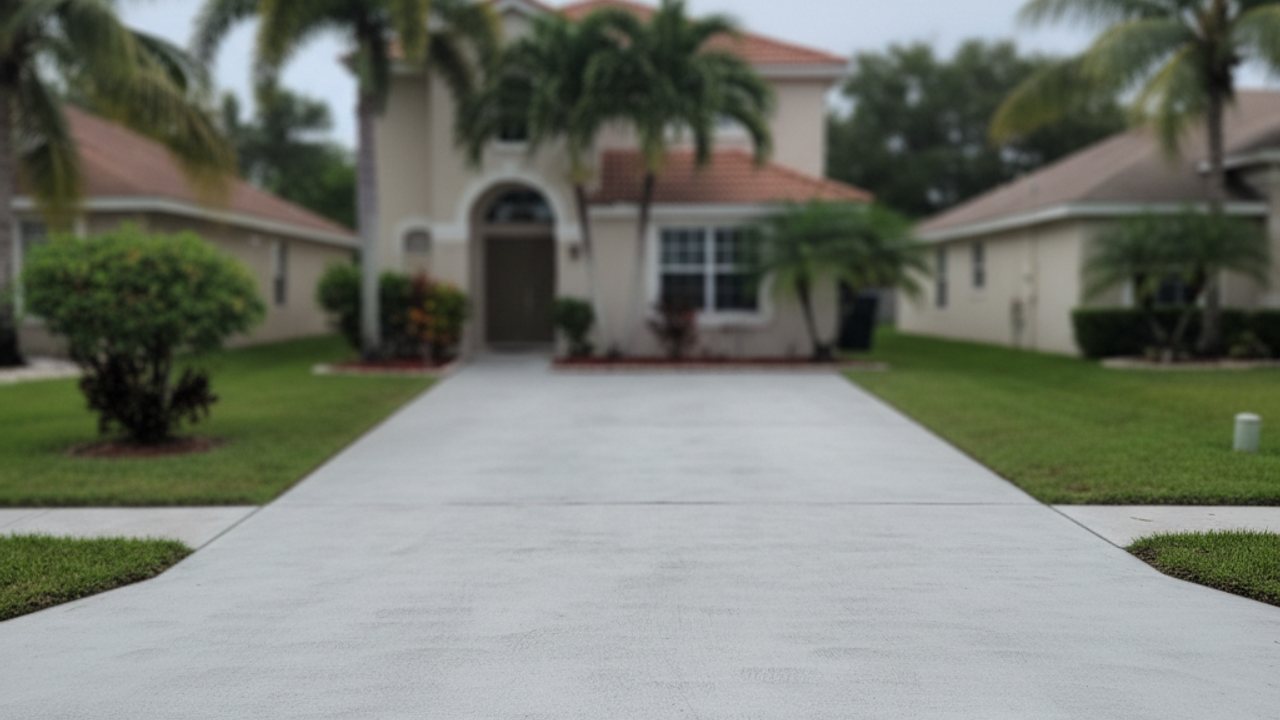
Concrete Driveways

We pour driveways at four to six inches thick depending on whether it's carrying a car or a work truck, over a compacted stone base. Control joints get cut within a day of the pour so the concrete cracks along the joint lines instead of wherever it wants. Plan on about a week before you drive on it and closer to a month before it's at full strength.

Concrete Patios

Patios get graded to slope away from the house, usually a quarter inch per foot, so water doesn't sit against your foundation. We finish them broom, smooth or stamped depending on how much traction and style you're after.

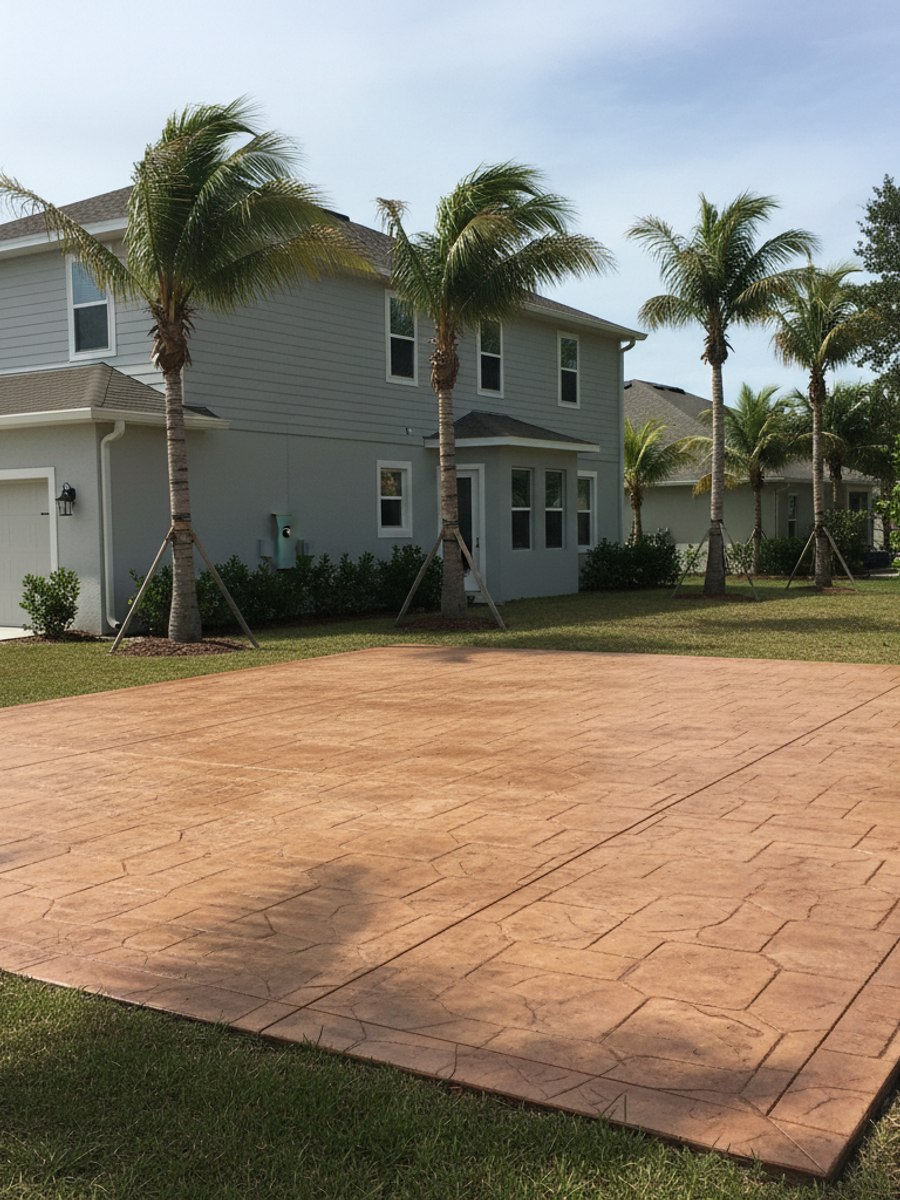
Stamped Concrete

We press a pattern into the surface while the concrete's still workable, then color it with a hardener or stain to look like slate, brick or cut stone. It costs less than pavers and there's no joints for weeds or ants to get into. Sealing it every couple years keeps the color from fading in Florida sun.

Concrete Slabs

Shed pads, garage floors and slabs for additions all get a vapor barrier and rebar or wire mesh sized to the load on top. We check what's going on the slab before we pour, a car takes more slab than a storage shed does.

Concrete Repair

Cracked, spalled or sunken concrete doesn't always have to be torn out. We can lift a settled slab with polyurethane foam injection instead of mudjacking, and patch spalled surfaces if the concrete underneath is still solid. If the damage goes all the way through, we'll tell you it has to be replaced instead of patched.

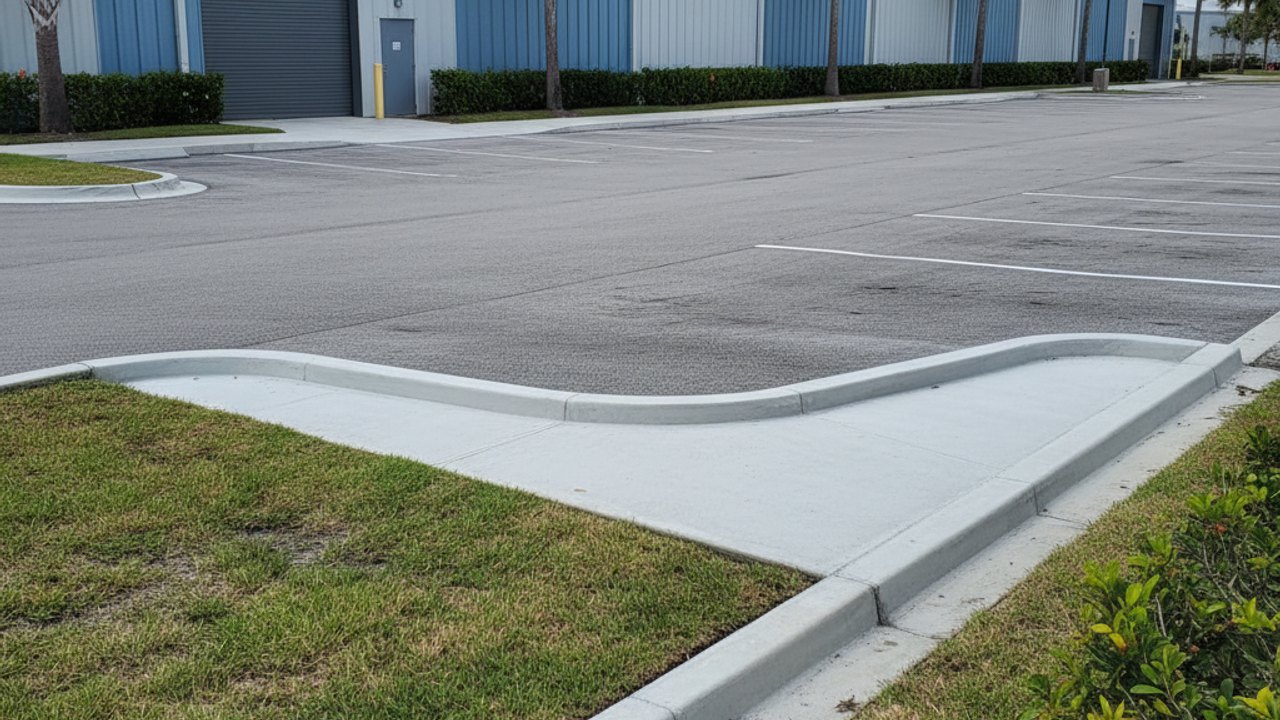
Concrete Sidewalks & Walkways

Walkways get poured to code width and sloped for drainage, with joints spaced to control cracking on a long run. We deal with tree root heave a lot around here, sometimes it's cheaper to cut and replace one section than repour the whole path.

Concrete Pool Decks

Pool decks get a broom or knockdown texture so they're not slick barefoot and wet. We run isolation joints where the deck meets the pool shell so the two don't crack against each other as they move independently.

Concrete Resurfacing

If your existing slab is sound but the surface is worn, pitted or discolored, we can bond a thin overlay over it instead of tearing it out. It won't fix a structural crack or a slab that's settled unevenly, that still calls for repair first.

Exposed Aggregate Concrete

We wash off the top layer of cream before the concrete fully sets, exposing the stone underneath for a textured, non-slip surface. It holds up well on driveways and pool decks where a smooth finish gets slippery.

Concrete Removal & Demolition

Old, cracked or heaved concrete has to come out clean before a new slab goes in. We saw-cut and break up the existing slab, haul it off, and check the base underneath before we pour again, sometimes what failed the first time was the base, not the concrete.

How It Works

Four steps, and no surprises in any of them.

01

We come and look

You tell us what you want doing, we look at what is actually there, and we ask the awkward questions early.

02

You get a price

In writing, itemised, free. If something might add cost later we flag it now rather than at the end.

03

We do the work

Same crew throughout. We cover your floors, keep the dust down and tidy up before we leave each day.

04

We walk it with you

You point out anything you are not happy with and we fix it before the invoice, not after.

Where We Work

All of this, across Deltona, FL

Where we're pouring concrete this month, roughly.

Deltona, FL
Orlando, FL
Palm Coast, FL
Daytona Beach, FL
Port Orange, FL
Sanford, FL
Altamonte Springs, FL
Ormond Beach, FL
Oviedo, FL
DeLand, FL
Winter Springs, FL
Common Questions

Things worth asking

Questions that come up once a job is underway.

Do I need a permit for a new driveway or patio?
Most new driveways, patios and slabs in Florida require a permit from the local building department, especially if they add square footage or tie into drainage. Permit requirements vary by county and by whether the work touches a setback or easement. The contractor typically pulls the permit as part of the job.
How long does a concrete driveway take to install?
Forming, grading and pouring a driveway usually takes one to three days depending on size, with a few more days before it's cured enough to drive on. Full strength takes closer to 28 days, though light foot traffic is fine much sooner.
Can you work within a specific budget?
Concrete projects can often be scoped to fit a budget by adjusting square footage, finish type or reinforcement, a plain broom finish costs less than stamped or exposed aggregate. Discussing the budget upfront during the estimate helps shape those choices before the pour instead of after.
Do you offer any guarantee on the work?
Workmanship on concrete pours is generally guaranteed against defects like improper curing or joint failure for a period specified in the written estimate. Cracking from ground movement, tree roots or settling outside the contractor's control is usually handled separately.
Who will I be dealing with during the project?
A single point of contact usually handles scheduling, questions and walkthroughs for the length of a concrete project, rather than switching between office staff. That contact is also the person to call if something looks off once the concrete has cured.
What materials do you use for driveways and patios?
Standard residential concrete mixes run around 3,000 to 4,000 PSI, with wire mesh or rebar added depending on the load the slab has to carry. Higher PSI mixes and rebar reinforcement get used for driveways carrying heavier vehicles.
Can I still use my driveway or yard during the work?
Access to a driveway or patio area is blocked during forming, pouring and the initial cure, typically several days to a week. Parking and foot traffic usually have to be rerouted until the concrete is strong enough to bear weight.
How should I prepare the site before work starts?
Clearing the work area of vehicles, furniture, plants and sprinkler heads before the crew arrives speeds up the job. Marking any known irrigation lines, septic components or buried utilities in the pour area also helps avoid delays.
What if you find a problem once the old concrete is removed?
Soft soil, a broken irrigation line or an undersized base sometimes shows up once old concrete is removed, and it gets flagged before the new pour goes in. Fixing it first costs less than pouring over a problem that causes the new slab to fail the same way.
How do I take care of new concrete afterward?
New concrete should stay off vehicle traffic for about a week and pedestrian traffic for a couple of days while it cures. Sealing every two to three years and keeping harsh chemicals off the surface helps it hold color and resist cracking longer.

Not sure what you need?

Describe the problem and we will tell you what it probably is. No obligation.
Call (386) 202-9079